


MoMA: Rotating Chairs (2025)
Reimagining the Archive Through Design History and Generative AI
Developed for the master’s capstone course Reimagining the Archive, this independent project explores how museum furniture collections can become more accessible and engaging through interaction, digital storytelling, and generative AI.
MASTER’S CAPSTONE · SPRING 2025
Role: Independent researcher, creative strategist, and art director
Focus:
Museum archives, chair design, digital storytelling, and generative AI


Informed by facilitated access to MoMA’s galleries, archives, and collection storage. This project was not commissioned by MoMA.

The Observation
The project began with six museum and archive visits, including MoMA’s public galleries in Midtown Manhattan and its collection storage facilities in Queens. During the Queens visit, rows of furniture, especially chairs, were observed sitting on storage shelves outside public exhibition. Their digital archive records were similarly static, often limited to catalog information and a few photographs showing the front, side, or back of an object.

Class museum visit during the Reimagining the Archive research.
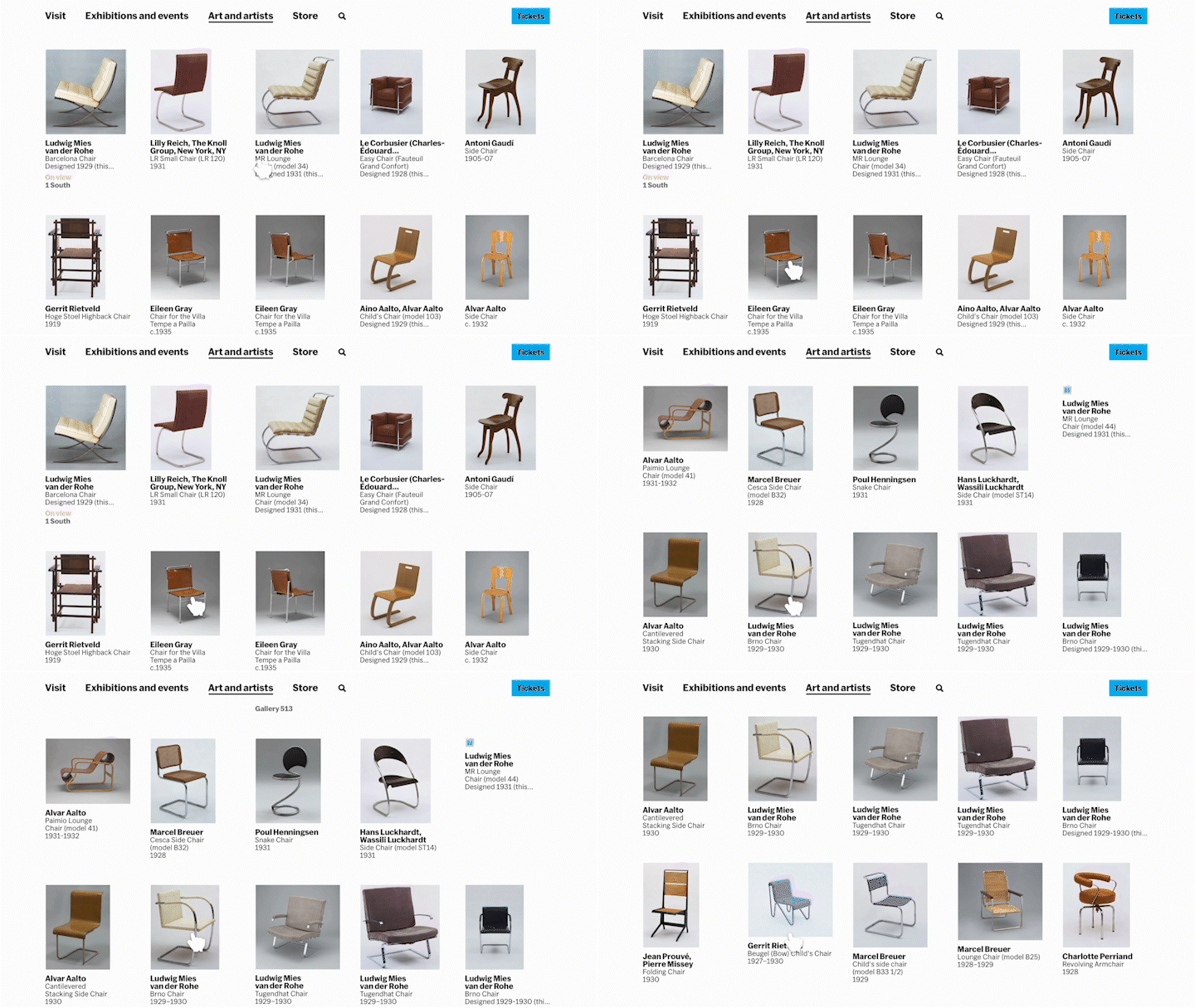
Exploring chair records within MoMA’s online collection archive.
Could an archive show not only what an object is, but also how its design evolves through time?
Research and Creative Direction
Chair designs from MoMA’s online collection were researched and organized chronologically to trace changes in form, materials, and design history. These archival objects became the source material for AI-assisted multi-angle studies and a rotating digital narrative.
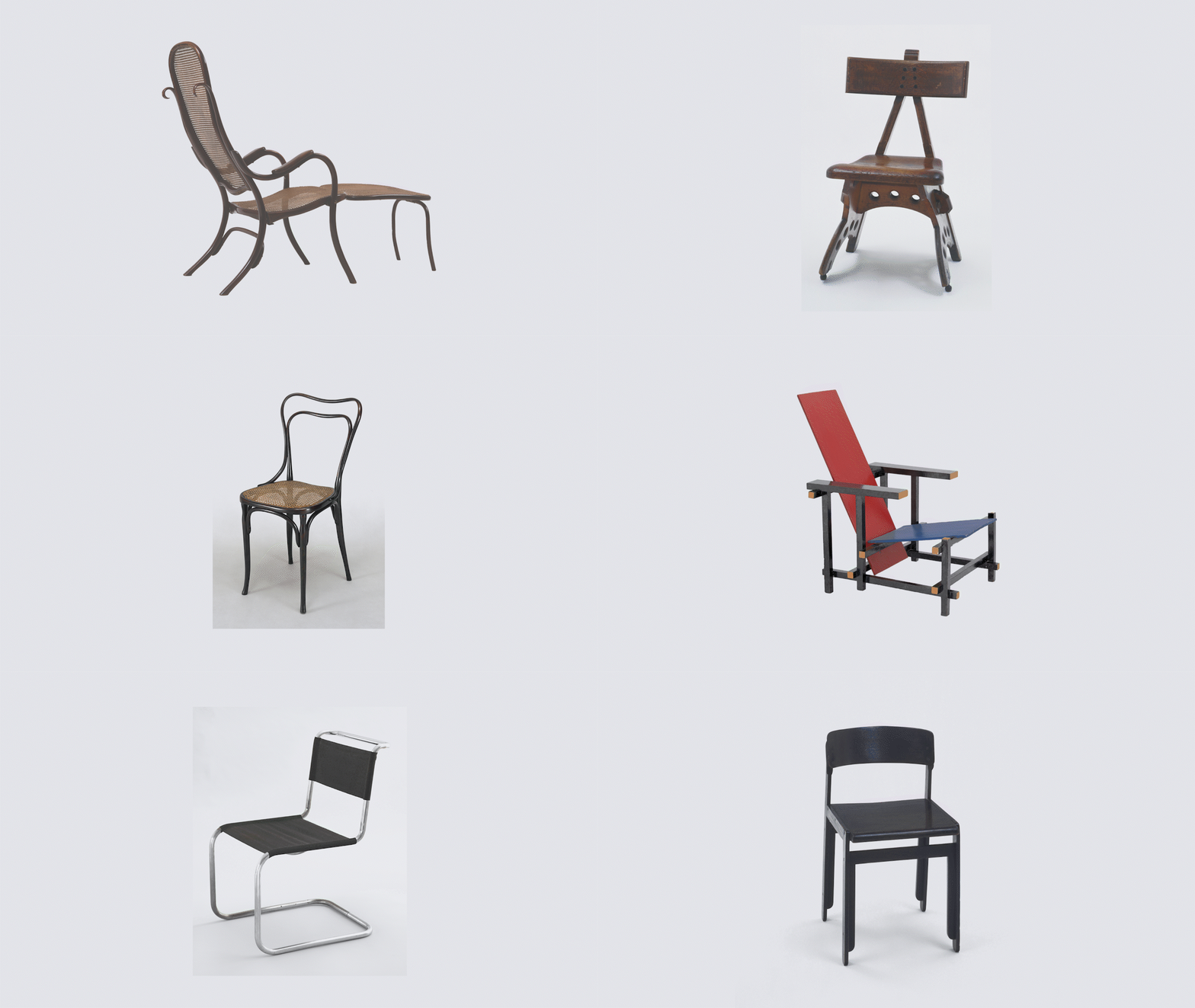
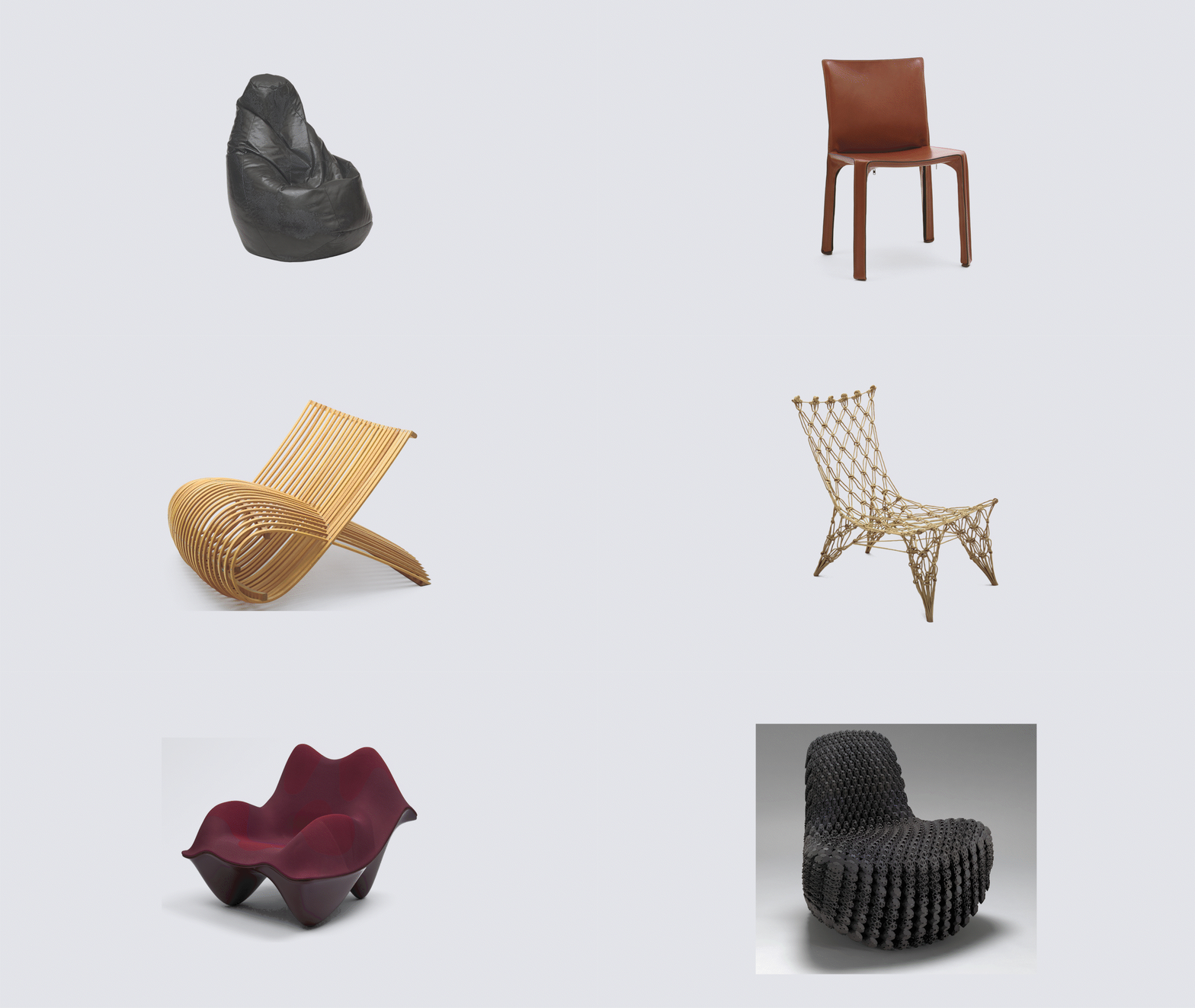
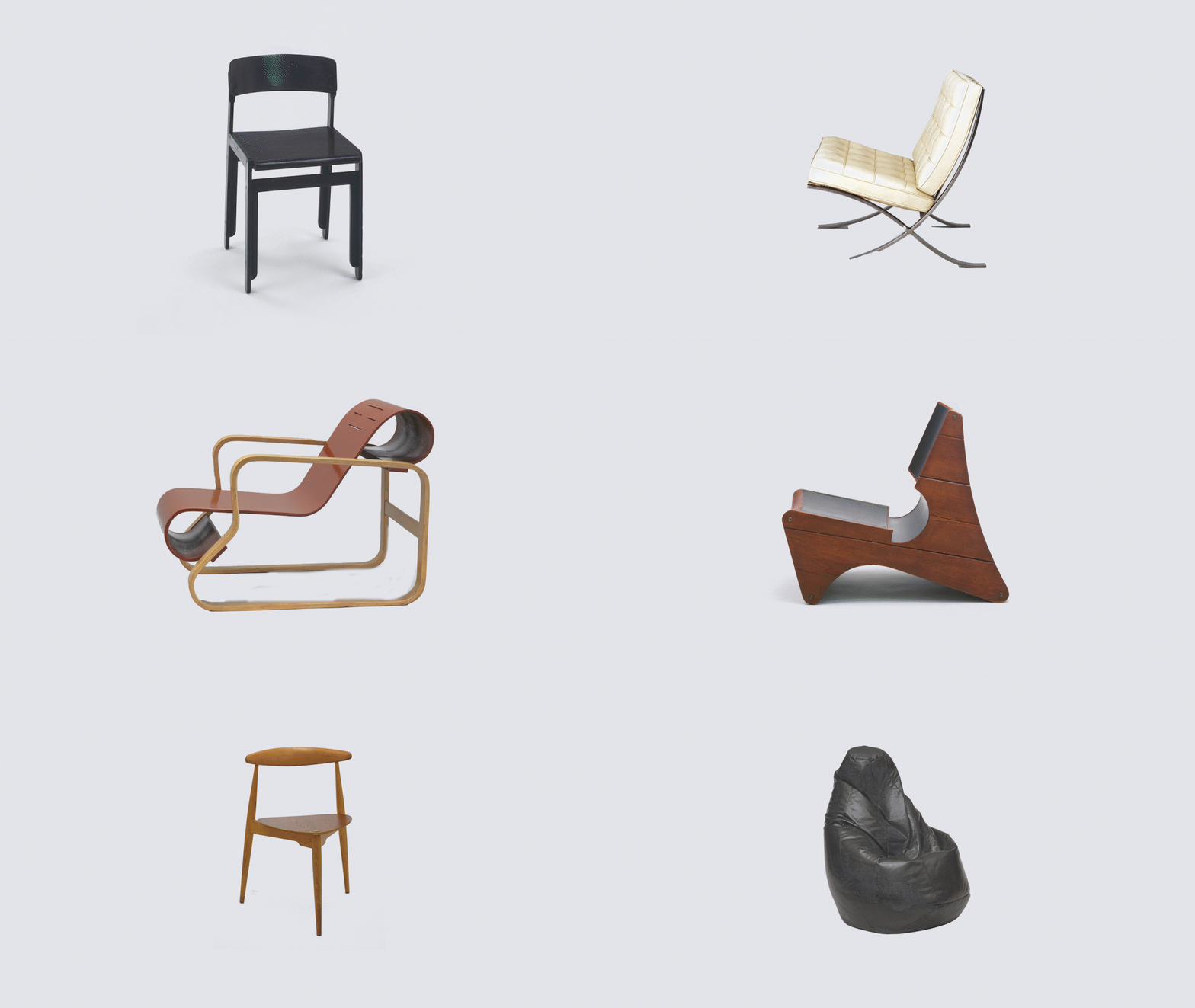
Original chair objects selected from MoMA’s online collection.
Experimenting With Generative AI
Generative AI was used as an experimental storytelling tool rather than a replacement for archival research.Developed during an earlier stage of generative AI adoption, the project explored transitions between historical chair designs and produced unexpected visual results. These surprises became part of the creative process, revealing the continuing importance of human direction, judgment, and editing.
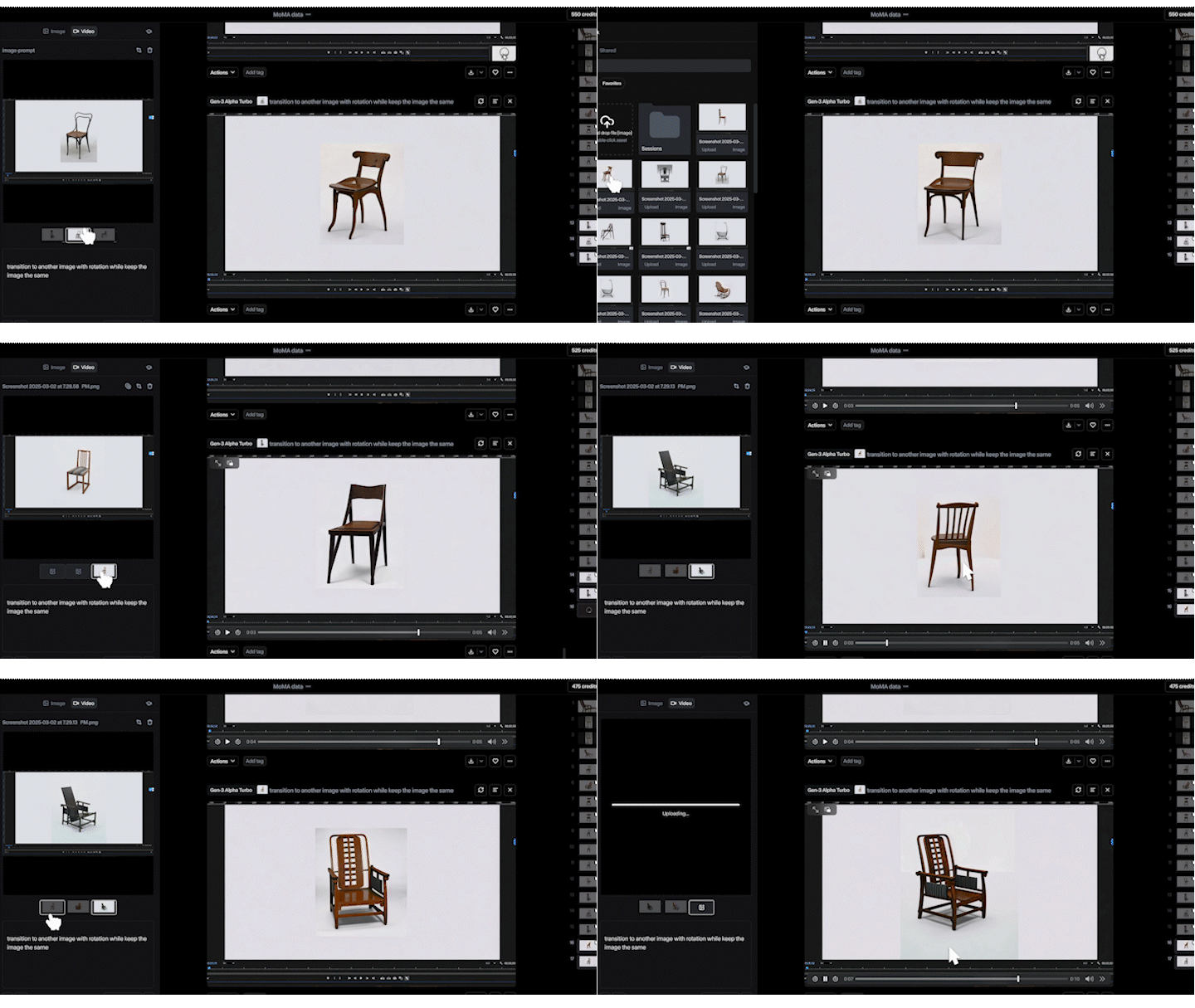
Using Runway to animate original chair images and generate rotating transitions
AI-generated animations, manually resized and edited into sequence
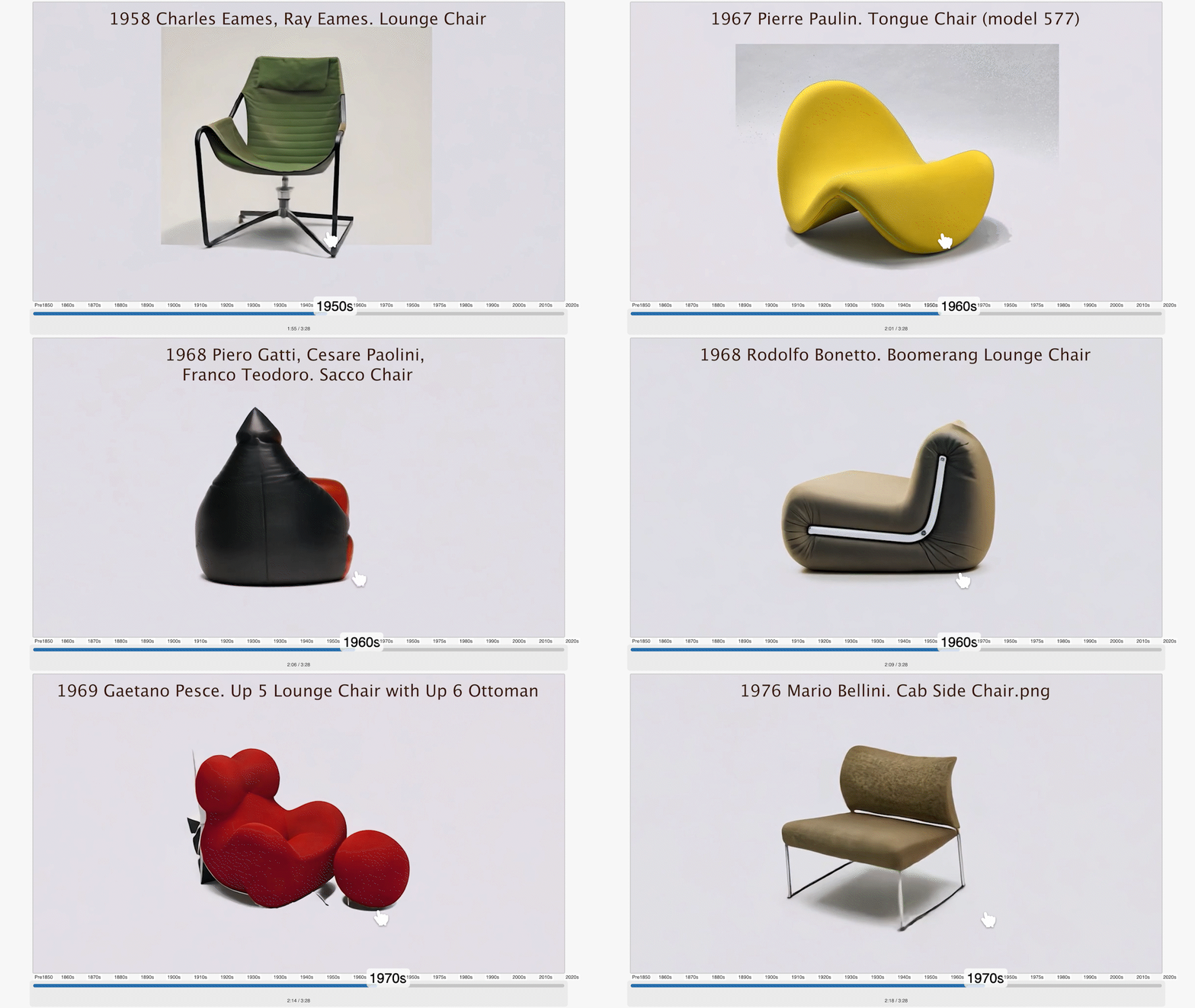
Created with v0 and refined in Visual Studio Code, this HTML-based interactive timeline lets viewers explore different eras of chair design by scrolling forward and backward.
Contribution and Ownership
The project was independently researched, conceptualized, and developed by Angel Wang.The complete scope included museum and archival research, problem identification, chair design research, concept development, creative strategy, visual direction, generative AI experimentation, narrative structure, and presentation design.The final work demonstrates a multidisciplinary approach connecting research, design history, creative direction, visual storytelling, and emerging technology.
Reflection
This early experiment with generative AI revealed both its creative possibilities and its inconsistencies. Human judgment remained essential for selecting outputs, maintaining visual continuity, and transforming individual animations into a coherent digital experience.
Tools:
Runway · v0 · Visual Studio Code · Adobe Creative Suite